Physiological and Behavioral Dynamics of Body Mass Change
Understanding the comparative mechanisms between gradual and rapid approaches to body mass modification.
Educational content only. No promises of outcomes.
 Gradivox
Understanding the comparative mechanisms between gradual and rapid approaches to body mass modification.
Educational content only. No promises of outcomes.

Comparison of adaptive thermogenesis magnitude in rapid versus moderate energy deficits.

Adaptive thermogenesis (metabolic adaptation) develops more gradually. Body's energy expenditure reduction is typically smaller in magnitude. Research suggests 10-20% metabolic slowdown over extended periods.
Adaptive thermogenesis responds more sharply and quickly. Metabolic rate can decline more substantially during aggressive restriction. Greater compensatory mechanisms activate within shorter timeframes.
Overview of lean mass retention differences from body composition studies.
Body composition studies show lean mass retention of 70-85% of total mass lost when deficit pace is gradual. Resistance training during moderate restriction preserves muscle more effectively.
Aggressive restriction typically results in lean mass loss of 25-40% of total reduction. Muscle preservation becomes more challenging without intensive resistance protocols.
Adequate protein intake becomes increasingly critical at faster deficit rates. Higher protein consumption can partially offset lean mass loss in rapid reduction phases.
General patterns of ghrelin and leptin dysregulation in fast versus gradual reduction.

Ghrelin (hunger hormone) increases gradually over weeks and months. Leptin (satiety hormone) declines at a slower rate. Appetite suppression mechanisms remain partially active for longer periods.
Ghrelin rises sharply within days of aggressive restriction. Leptin drops precipitously. More pronounced suppression of satiety signaling occurs, typically creating greater subjective hunger.
Neutral findings on regain rates by initial loss velocity from registry data.

Registry studies comparing large cohorts reveal complex regain patterns. Some research suggests 20-50% of lost mass returns within 1-2 years regardless of initial loss speed. Other datasets show modest advantages for gradual loss in 3-5 year maintenance. Behavioral factors, lifestyle sustainability, and individual physiological variation appear to significantly influence long-term outcomes independent of initial pace.
Descriptions of adherence, self-efficacy and habit formation correlates.

Slower pace modifications typically show higher completion rates in research studies. Rapid approaches show greater dropout rates. Adherence sustainability depends heavily on individual preferences and life circumstances.
Gradual progression may build self-efficacy through accumulated small successes. Rapid results create initial motivation but can decline if progress plateaus. Psychological momentum differs between approaches.
Behavioral automaticity develops over weeks and months. Slower paces allow more time for dietary and lifestyle changes to become habitual. Habit depth correlates with longer-term behavioral persistence.
Explanation of compensatory responses stronger in aggressive restriction.
Aggressive caloric restriction activates stronger compensatory mechanisms at multiple biological levels. Increased hunger signaling, reduced satiety hormones, decreased thermogenesis, and heightened metabolic efficiency develop more dramatically. These responses persist after restriction ends, creating temporary environment favoring energy accumulation. Gradual restriction still triggers adaptation but typically of smaller magnitude. Research suggests compensatory drive remains partially active for months following rapid loss, while slower loss approaches may have less pronounced post-restriction metabolic rebound.
Key meta-analysis and cohort study patterns.

Explore detailed insights into specific physiological and behavioral aspects.

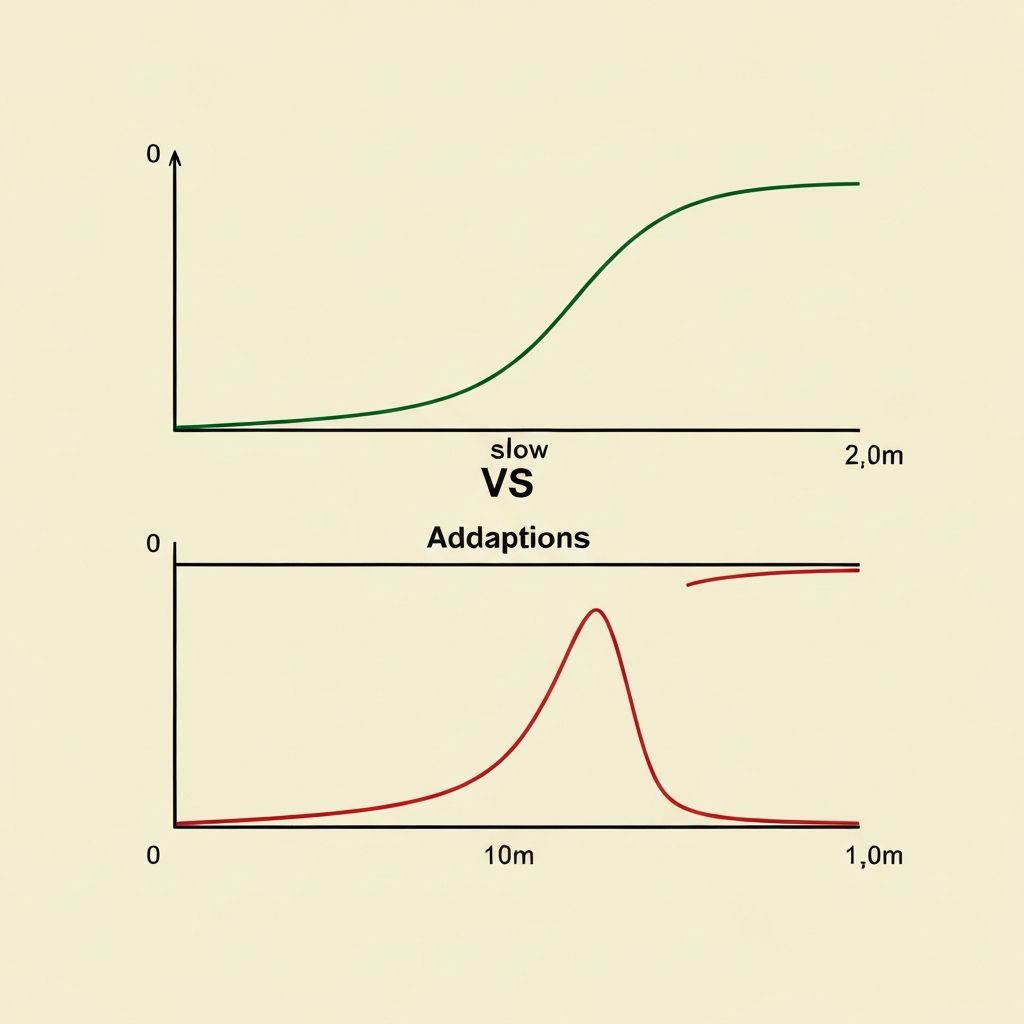
Detailed examination of how metabolic adaptation differs between rapid and moderate energy deficits.
Discover physiological comparisons
Body composition study patterns showing muscle preservation across different restriction rates.
See research patterns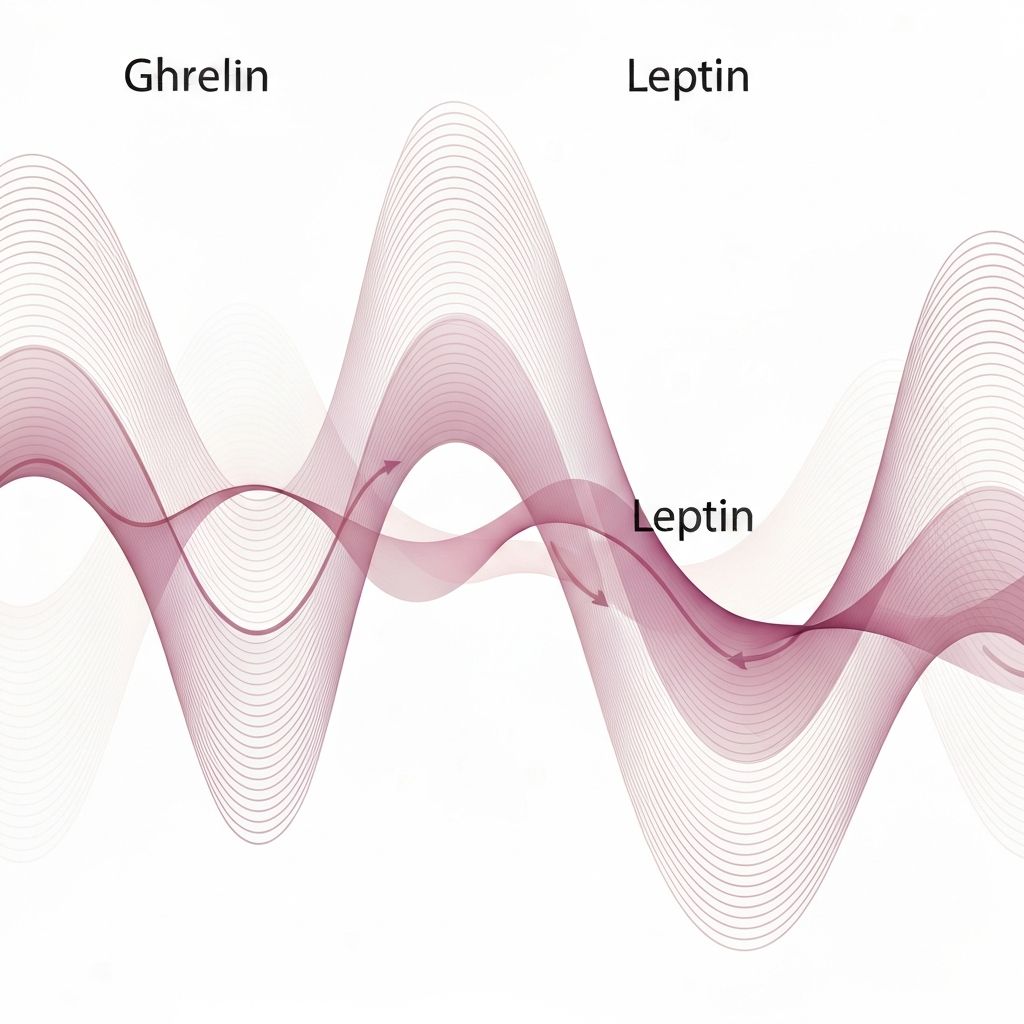
Understanding ghrelin and leptin response variations across pace of change.
Review referenced studies
Registry observations on mass regain patterns by initial loss velocity.
Explore additional context
Psychological and behavioral factors associated with sustainable approach to pace.
Discover physiological comparisons
Compensatory responses and mechanisms stronger in aggressive restriction approaches.
See research patternsRegistry data shows 35-45% average regain across both fast and slow approaches within 12 months. Individual variation is substantial. Long-term maintenance depends more on behavioral, environmental and lifestyle factors than initial loss speed. Some individuals maintain rapid loss results; others experience significant regain regardless of approach.
Body composition research shows modest advantages for gradual approaches—typically 10-15% greater lean mass retention when total loss is equivalent. However, protein intake and resistance training become critical variables that can partially offset this difference. The effect size is smaller than commonly assumed, and individual factors significantly influence outcomes.
Metabolic adaptation refers to the body's reduction in energy expenditure during caloric restriction. Rapid deficits trigger larger magnitude adaptation (15-25% greater metabolic slowing). This happens because aggressive restriction activates stronger physiological compensation. Gradual deficits result in smaller adaptation magnitude, though adaptation still occurs over time.
Ghrelin (hunger hormone) and leptin (satiety hormone) respond more dramatically to rapid restriction. Ghrelin rises 2-3 times higher; leptin drops more steeply. This creates greater subjective hunger with fast approaches. Gradual restriction still affects these hormones but typically produces smaller magnitude changes, though duration of exposure is longer.
Structured research programs show 60-75% completion rates for gradual approaches versus 40-55% for rapid interventions. However, this reflects program adherence data, not necessarily real-world outcomes. Individual preferences, life circumstances, motivation sources, and support systems appear to influence adherence more than pace itself.
Research indicates individual variation is substantial. No single optimal pace applies universally. Physiological differences, psychological factors, lifestyle sustainability, support systems, and personal preferences all influence what constitutes effective approach for each individual. Both rapid and gradual approaches show successful outcomes in different individuals and different failure patterns as well.
Discover comprehensive insights into the physiological and behavioral aspects of pace in body mass change through our detailed resources.
See Research Patterns